
A Comprehensive Guide: Service Dogs for Children with Autism
How Service Dogs Benefit Children with Autism: Exploring the Life-Changing Abilities
Service dogs have proven invaluable companions for individuals with autism, particularly children. These highly-trained animals provide a range of benefits, including emotional support, sensory assistance, and social skills development. When it comes to the topic of “Autism,” most individuals are referring to Autism Spectrum Disorder (ASD). This neurodevelopmental condition is characterized by challenges in social communication and repetitive, restricted behaviour patterns.
1. Emotional Support Animals for Autism
Children with autism often face challenges in regulating their emotions and managing anxiety. Service dogs offer a constant source of emotional support, providing a calming presence that can help soothe and comfort the child during distress. This support can significantly reduce anxiety levels and improve emotional well-being.
2. Sensory Assistance Dogs
Sensory sensitivity is a common characteristic among children with autism. Service dogs trained as sensory assistance animals can help mitigate this sensitivity by acting as a buffer between the child and overwhelming sensory stimuli.
3. Social Skills Development with Service Dogs
Children with autism often struggle with social interactions, making connecting with their peers or family members challenging. Service dogs act as social catalysts, facilitating interactions by naturally attracting attention and curiosity from others. Increased social engagement can improve communication skills, increase self-confidence, and enhance socialization abilities.
4. Companionship and Unconditional Love
Service dogs provide unwavering companionship and unconditional love to children with autism. The bond formed between a child and their service dog can be transformative, offering a sense of security and reducing feelings of isolation. These animals become trusted friends who are always there to listen, play, and provide comfort, contributing to enhanced emotional well-being and quality of life.
The Process of Training a Service Dog for a Child with Autism: From Puppy to Lifelong Companion
1. Selecting the Perfect Labradoodle Puppy
Choosing the right puppy is crucial in training a service dog for a child with autism. Labradoodles, known for their intelligence, gentle nature, and hypoallergenic coats, are often an excellent choice. However, factors such as temperament, health, and breed characteristics must be considered to ensure a successful match.
2. Early Socialization and Basic Training
Early socialization is key to shaping a service dog’s behaviour. Introducing the puppy to various environments, people, and other animals helps them become comfortable and adaptable companions. Basic obedience training should also be presented early to establish boundaries and promote good behaviour.
3. Specialized Obedience Training for Autistic Children
Training a service dog for an autistic child requires specialized techniques that cater to their unique needs. It involves teaching the dog to recognize and respond appropriately to specific behaviours exhibited by children with autism, such as repetitive movements or sensory overload. These skills are instrumental in providing comfort, promoting emotional regulation, and improving overall safety.
4. Task Training
Service dogs are vital in assisting children with autism in their daily lives. Through targeted task training, these dogs learn to perform tasks that help mitigate specific challenges faced by individuals on the autism spectrum. Duties can include:
- Interrupting self-harming behaviours.
- Alerting parents or caregivers during distressful situations.
- Even providing deep-pressure therapy to ease anxiety.
5. Bonding and Integration
Building a strong bond between the service dog and the child is crucial to the training process. Encouraging regular interaction, supervised play, and positive reinforcement strengthens their connection, fostering trust, companionship, and emotional support. This bond becomes the foundation for a lifelong partnership.
Training a service dog for an autistic child is a labour of love that requires patience, dedication, and specialized expertise. From selecting the right Labradoodle puppy to providing specialized obedience training, the entire process is designed to create
About service dogs for children with autism, along with everything you need to know.
1. What is a service dog for a child with autism?
A service dog for a child with autism is specially trained to assist and support individuals on the autism spectrum. Dogs are trained to perform tasks that can help children with autism navigate their daily lives more easily.
2. What tasks can an autism service dog perform?
Autism service dogs are trained to perform various tasks depending on the child’s specific needs. Some common duties include providing deep pressure therapy, interrupting repetitive behaviours, alerting to dangerous situations, and helping with social interactions.
3. How much does an autism service dog cost?
The cost of obtaining an autism service dog varies depending on several factors, including the training programs you choose and your child’s individual needs. On average, costs range from $10,000 to $30,000. Considering this as a long-term investment in your child’s well-being is important.
4. Are there any financial assistance options available in Ontario to support an Autistic child?
There are financial assistance options available in Ontario to support children with autism. The Ontario government provides funding through the Ontario Autism Program (OAP), which offers financial support for services and support for children and youth with autism spectrum disorder (ASD).
One of the main funding options under the OAP is the Childhood Budget. This budget provides families with funding to purchase eligible services and support for their child with autism. The amount of funding is based on the child’s age and needs, and it can be used for various services such as applied behaviour analysis (ABA) therapy, speech therapy, occupational therapy, and respite care.
Childhood Budget
In addition to the Childhood Budget, other financial assistance programs are available in Ontario. For example, the Assistance for Children with Severe Disabilities (ACSD) program provides financial support to families caring for a child with a severe disability, including autism. This program offers a monthly benefit that can help cover additional expenses related to the child’s disability.
Furthermore, families may also be eligible for the Disability Tax Credit (DTC), a non-refundable tax credit that can provide financial relief to individuals with disabilities and their families. The DTC can be claimed on annual income tax returns and may result in significant tax savings.
Application Processes
It’s important to note that each program’s eligibility criteria and application processes vary. To learn more about these financial assistance options and which ones you may qualify for, I recommend contacting the Ontario Ministry of Children, Community and Social Services or visiting their website for detailed information.
Remember, support is available to help ensure that children with autism in Ontario receive the services they need to thrive and reach their full potential.
What legal rights do children with autism have regarding service dogs in Ontario?
Children with autism in Ontario have legal rights regarding service dogs. Under the Accessibility for Ontarians with Disabilities Act (AODA) and the Ontario Human Rights Code, children with disabilities, including those with autism, can be accompanied by service animals, like service dogs, in public spaces.
For children with autism, service dogs can provide various benefits, including assistance with sensory issues, interrupting repetitive behaviours, and promoting social interaction and safety.
Dog Training
It’s important to note that there are certain requirements for a service dog to be recognized as such. The dog must be trained by an accredited organization and meet specific behavioural and training standards. Additionally, handlers of service dogs must have a disability recognized under the law.
In Ontario, businesses and organizations are required to accommodate individuals with disabilities whom a service dog accompanies. They cannot deny access or charge additional fees to individuals using service dogs.
Legal Advice
Suppose there is an issue or dispute regarding a child’s right to have a service dog in public places. In that case, it is recommended that the child seek legal advice or contact the Ontario Human Rights Commission for assistance.
Overall, children with autism in Ontario have legal rights regarding having service dogs. These rights aim to ensure equal access and inclusion for individuals with disabilities.
The Emotional and Psychological Impact of Service Dogs on Children with Autism and Their Families
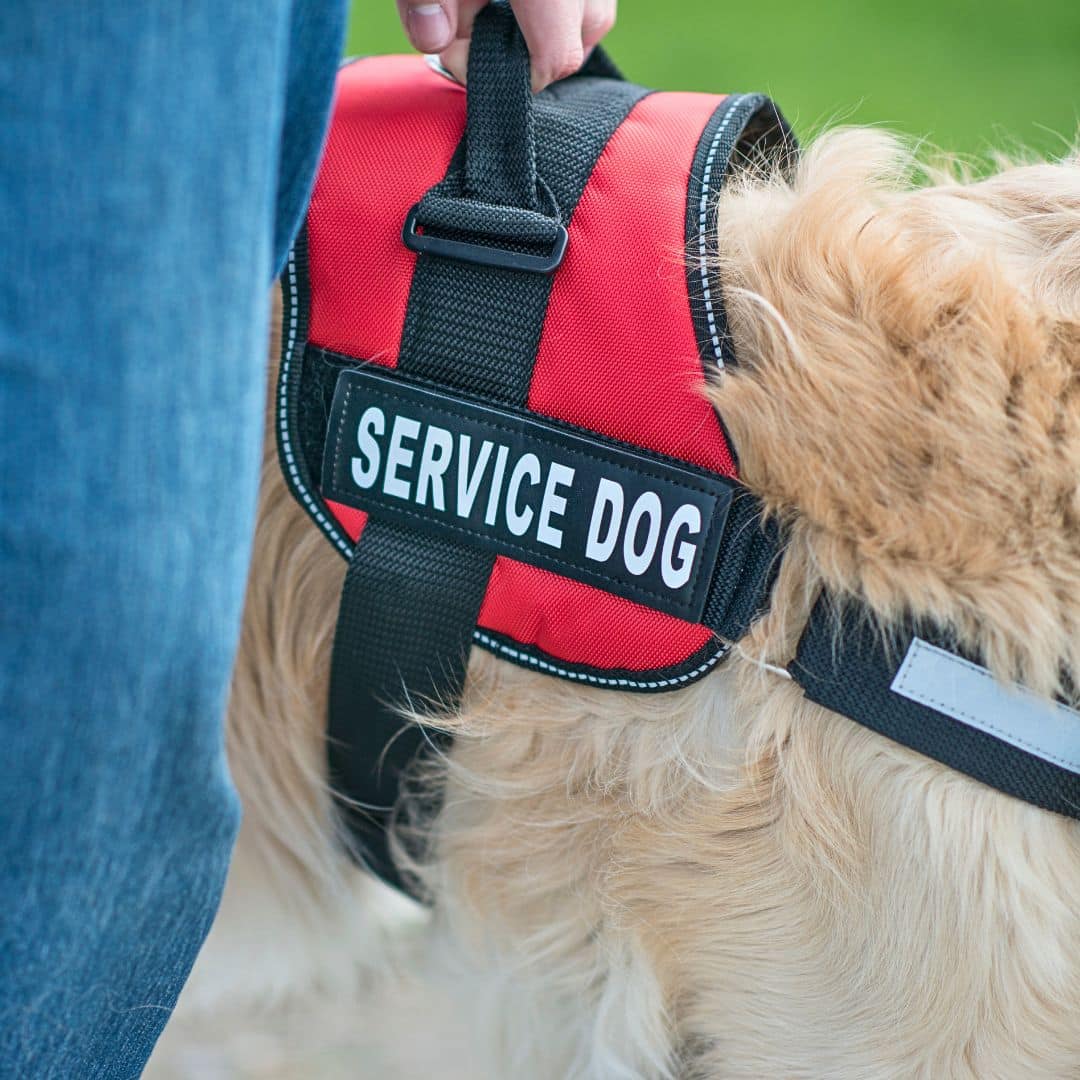
Service dogs are more than just companions; they can positively impact the emotional and psychological well-being of children with autism and their families. By creating powerful bonds and providing unwavering support, these therapy animals are crucial in reducing stress levels and improving mental health. We will explore the profound benefits of service dogs, shedding light on their ability to enhance the lives of children with autism and their families.
1. Creating Bonds
Service dogs possess a remarkable capacity to connect with children with autism on a deep emotional level. Through their unwavering loyalty, these four-legged companions create a safe space for children to express themselves freely and without judgment. The bonds formed between kids and their therapy dogs can be transformative, providing a sense of unconditional love and acceptance that may be difficult to find elsewhere.
2. Improving Mental Health
Living with autism can often be overwhelming, leading to high anxiety and stress for children and their families. However, service dogs have been shown to significantly reduce these negative emotions through their calming presence and companionship. Petting or snuggling up to a service dog can release endorphins, neurotransmitters that promote happiness and relaxation.
3. Stress Reduction through Animal Companionship
Service dogs offer a unique form of companionship that is invaluable for children with autism. These furry friends provide constant companionship, offering comfort during challenging situations such as sensory overload or social interactions. With their intuitive nature, service dogs are quick to sense when their young owners are feeling stressed or anxious, providing immediate support by offering a calming presence.
4. Enhanced Social Interaction
For children with autism, social interactions can be daunting and challenging. However, the presence of a service dog can act as a bridge, facilitating social connections and improving communication skills. Service dogs serve as a conversation starter, helping children feel more at ease in social settings and providing a common ground for interaction with peers and strangers alike.
5. Increased Independence and Confidence
Having a service dog by their side empowers children with autism to navigate the world with increased independence and confidence. Service dogs are trained to assist with specific tasks, such as guiding their owners, alerting them to potential dangers, or interrupting repetitive behaviours. These tasks promote independence and boost children’s self-esteem and a sense of accomplishment.
Conclusion:
Embrace the Life-Changing Benefits of Having a Service Dog to Support Your Child’s Journey with Autism
They have a unique ability to understand and connect with individuals on the autism spectrum, offering comfort and security.
The unconditional love and empathy they provide can help alleviate anxiety, reduce meltdowns, and promote emotional stability for your child. Whether they’re helping with sensory overload by applying deep pressure therapy or guiding your child through crowded spaces, these specially trained dogs can make everyday activities more manageable and less overwhelming.
Child’s Social Interactions
Furthermore, having a service dog can enhance your child’s social interactions and communication skills. These intelligent animals often serve as a bridge between your child and others, helping to break down barriers and facilitate connections. By promoting social engagement, service dogs can improve your child’s social development and integration within their community.
It’s important to note that service dogs also offer a sense of independence for your child and yourself as parents. With their assistance, your child can become more self-reliant in various daily tasks, such as dressing or navigating public spaces. This newfound independence can boost your child’s self-esteem while providing you with peace of mind knowing that they have a reliable companion by their side.
Reduce Stress Levels
Lastly, the presence of a service dog can help reduce stress levels within the entire family. These remarkable animals have a natural ability to sense emotions and provide comfort during challenging times. Their unwavering support can create a more harmonious home environment for everyone involved.
In summary, embracing the life-changing benefits of having a service dog for your child with autism can be an invaluable decision. From emotional support to task-specific assistance, these incredible animals offer many benefits that can significantly improve your child’s well-being and overall quality of life. By welcoming a service dog into your family, you are not only providing your child with a loving companion but also opening doors to new opportunities and empowering them to navigate the world confidently.